

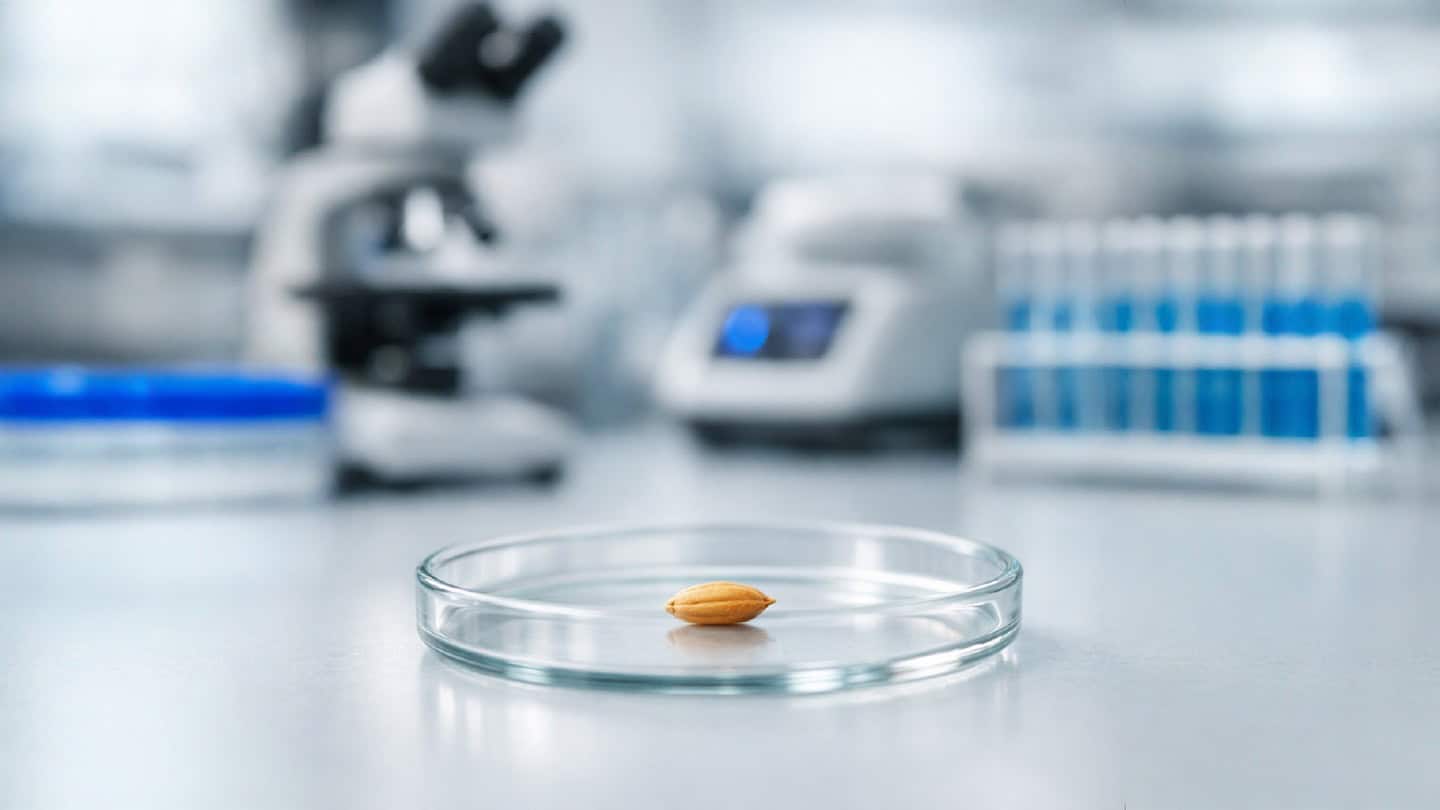
Precision in Practice: Elevate Your Lab Standards with SAGL Laboratory Training 2026.
The margin for error in the South African agricultural industry has never been slimmer. As we progress through the 2026 season, farmers, cereal breeders, millers, and food producers face a dual challenge: the necessity for high-throughput processing and the uncompromising demand for technical accuracy. When the quality of a multi-tonne consignment rests on the integrity of a few grams of sample, the difference between profit and loss lies in the technician’s proficiency.
The Technical Imperative in Modern Agriculture
The grain industry is undergoing a digital and biological evolution. With the introduction of new cereal varieties and more stringent international safety standards, the standard approach to quality control is no longer sufficient. Laboratory training in this context is not merely a box-ticking exercise for compliance; it is a fundamental pillar of market competitiveness. At SAGL, we recognise that technical proficiency must be as fastidious as the science it supports.
A common pain point for laboratory managers is the discrepancy between theoretical knowledge and practical execution. A technician may understand the mechanics of a moisture meter or a falling number apparatus. Still, without a deep understanding of the variables that influence these results, such as ambient humidity, sample temperature, or grind size, the data produced can be misleading. This is where Laboratory training services in South Africa must evolve to provide more than just basic instruction.
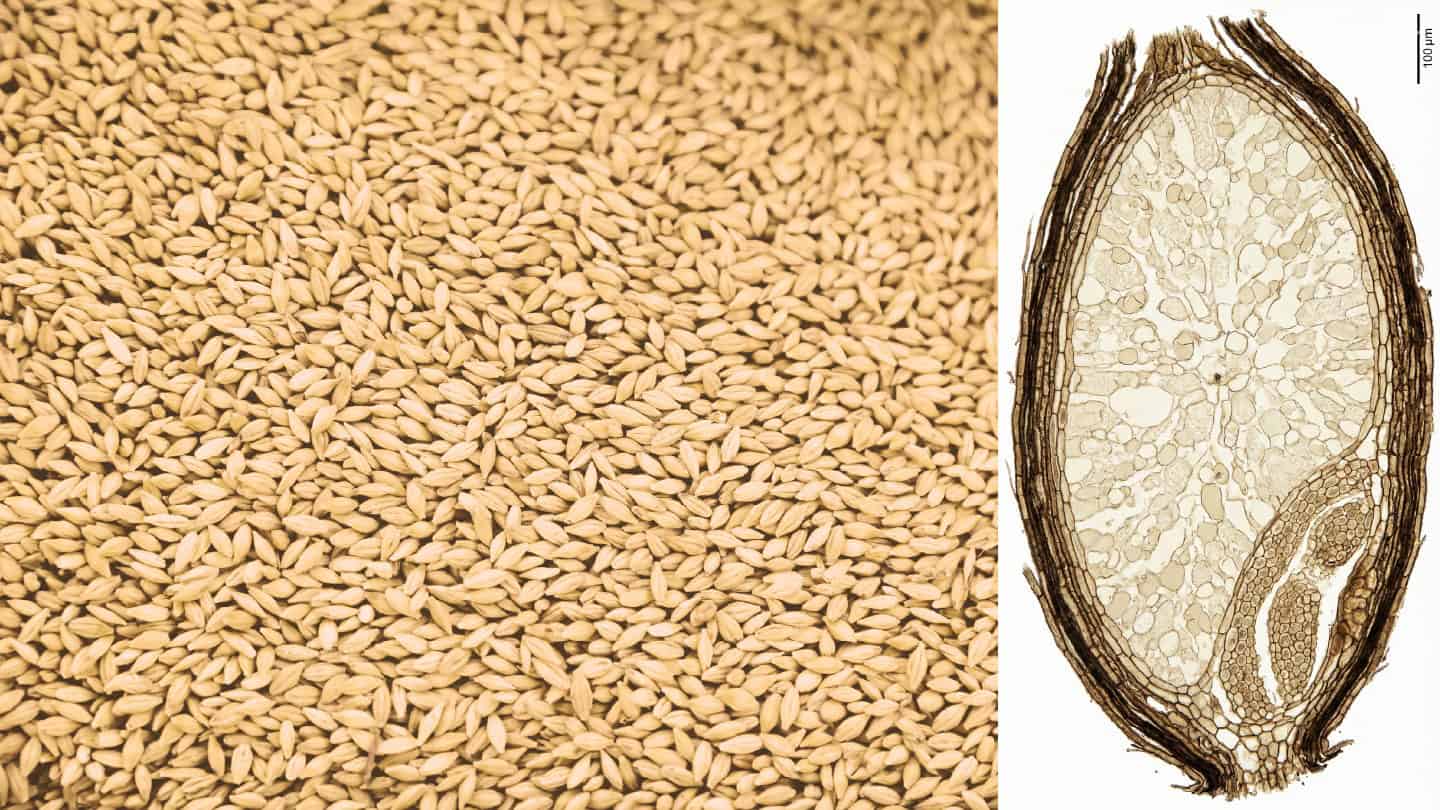
A Technical Comparison: Why Specialised Instruction Matters
Traditional training methods often focus on the mechanical how of laboratory work but fail to address the why behind the methodology. This lack of depth can lead to inconsistent results, especially in complex courses on grain and oilseed analysis.
- Generic Lab Training: Often relies on standard operating procedures that do not account for the specific rheological properties of local cultivars or the environmental stressors unique to the Southern African harvest.
- SAGL Laboratory Training: Integrates agricultural laboratory quality control training with practical, real-world applications. We provide a bridge between raw data and actionable insight, ensuring that your results are accurate, reliable and reproducible.
The Value Proposition: The ROI of Accuracy
Investing in high-level training is a strategic move that yields long-term benefits across the entire supply chain. For the miller, it means consistent flour performance. For the breeder, it means accurate data to support new variety registrations. For the producer, it means receiving a fair price based on accurate grading.
- Cost Mitigation: Minimising retests and avoiding catastrophic consignment rejections due to inaccurate grading.
- Market Confidence: Demonstrating to international buyers that your facility operates with Grain laboratory training 2026 standards that are globally comparable.
- Process Integrity: Focusing on sub-sampling in the laboratory ensures that the very first step of the analytical chain is handled with the poise and precision required to prevent downstream errors. If the sample is not representative, the most expensive laboratory equipment in the world becomes irrelevant.
2026 Training Focus Areas
Our SAGL training dates for 2026 have been developed to align effectively with the laboratory’s operational workflow. Our courses offer an elegant blend of theory and hands-on practice, led by experts who understand the nuances of the Southern African grain sector.
- Maize and Wheat Training: Essential for ensuring consistency in end-product performance.
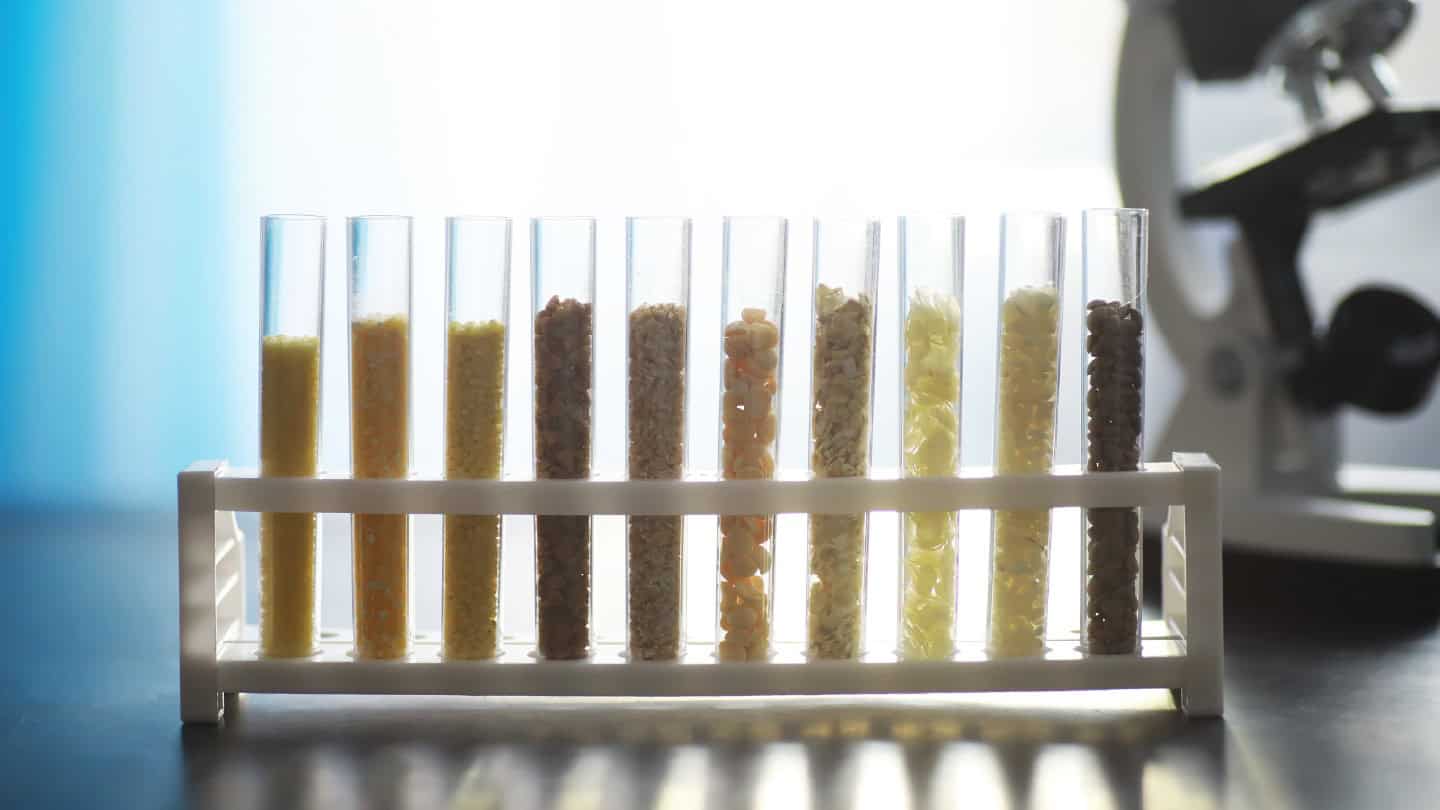
- Grain and Oilseed Analysis Courses: Covering the chemical and physical properties, from protein content to fatty acid profiles, that dictate market value and nutritional quality.
- Agricultural Laboratory Quality Control Training: Our lecture on Good Laboratory Practices (glp) ensures your lab remains an asset, not a liability.
At SAGL, we do not simply teach; we mentor the next generation of industry experts. Our approach is atypical in all the right ways; quietly confident, rooted in decades of being the independent arbiter of grain quality in Southern Africa. We invite you to elevate your laboratory standards and join a community of professionals who value accuracy above all else. Technical excellence is a journey, and it begins with the right foundation. Ensure your team is equipped for the technical challenges of the 2026 season. View our full course schedule and book your Laboratory Training here to secure your place in our upcoming technical sessions.