


Theresa de Beer
THE SOUTHERN AFRICAN GRAIN LABORATORY NPC
Proficiency testing (PT) is a system used for the objective evaluation of a laboratory’s performance by comparing its results to those of other laboratories analysing identical samples. The aim is to ensure that accurate and reliable results are reported in an environment where quality and cost are greatly affected. The SAGL strives to honour its aim to deliver accurate quality analyses to the agricultural industry and its mission to do so in a manner that is effective, independent and trustworthy.
The Southern African Grain Laboratory NPC (SAGL) first obtained its SANAS accreditation in 1999, for chemical and physical analyses in the Crop Quality Division in accordance with ISO/IEC 17025 standards. Subsequently, the Crop Protection Division was launched, which also obtained SANAS accreditation in 2017. Alignment with these standards requires laboratories to meet international standards for testing and calibration, thereby providing external assurance that results are accurate and reliable. Compliance with these standards strengthens the SAGL’s credibility and enhances its reputation as the reference laboratory of choice in the grain and oilseeds industries in both local and international markets.
The SAGL participates in several internationally recognised proficiency schemes, including BIPEA, Cereal & Grains Association (previously AACCI) and FAPAS. Through these programs, the laboratory conducts chemical and physical (rheological) testing, as well as vitamin, mineral, and mycotoxin testing. An extensive range of commodities, such as cereals and cereal products, oilseed products, animal feed, yeast and bread, is included.

Results are received from, in some cases, as many as 130 participants worldwide and statistically analysed to determine an assigned value for each test parameter. A z-score, calculated for each result, indicates how that result compares with the assigned value. An absolute value of less than 2.00 is satisfactory, between 2.00 and 3.00 is questionable, and more than 3.00 is unsatisfactory. After completion, participants receive a report compiled by the organisation, and to preserve confidentiality, results are reported on a coded basis. Figure 1 illustrates the SAGL’s performance for % flour protein over the past two years. Z-scores under 2.00 (satisfactory) were achieved for this period.
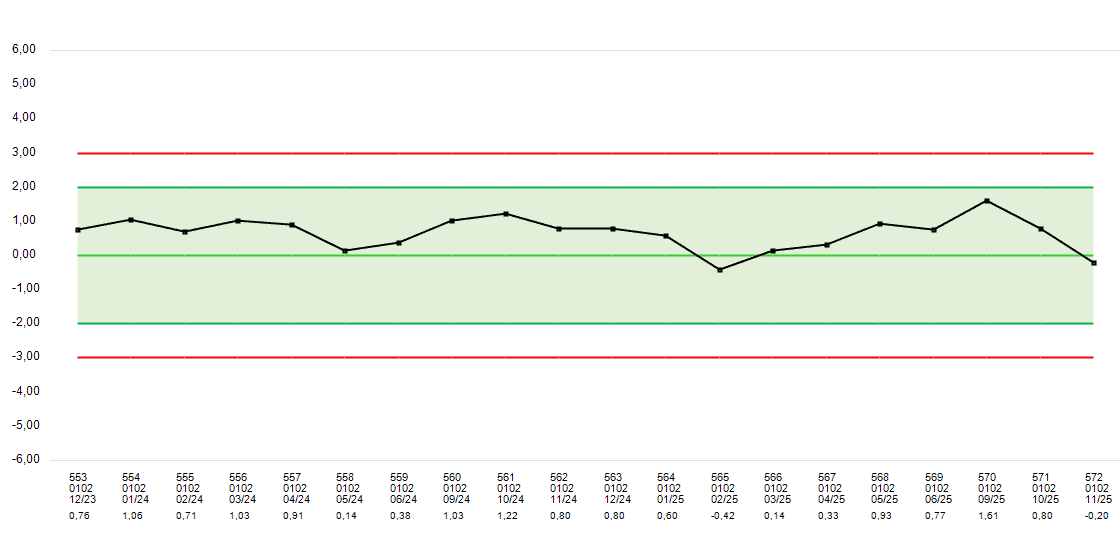
Figure 1. BIPEA wheat flour protein (%) z-scores from December 2023 to November 2025
Figure 2 illustrates the SAGL’s performance for the analysis of the mycotoxin Deoxynivalenol (DON), where the SAGL consistently achieved z-scores of 2.00 or less over a period of five years.
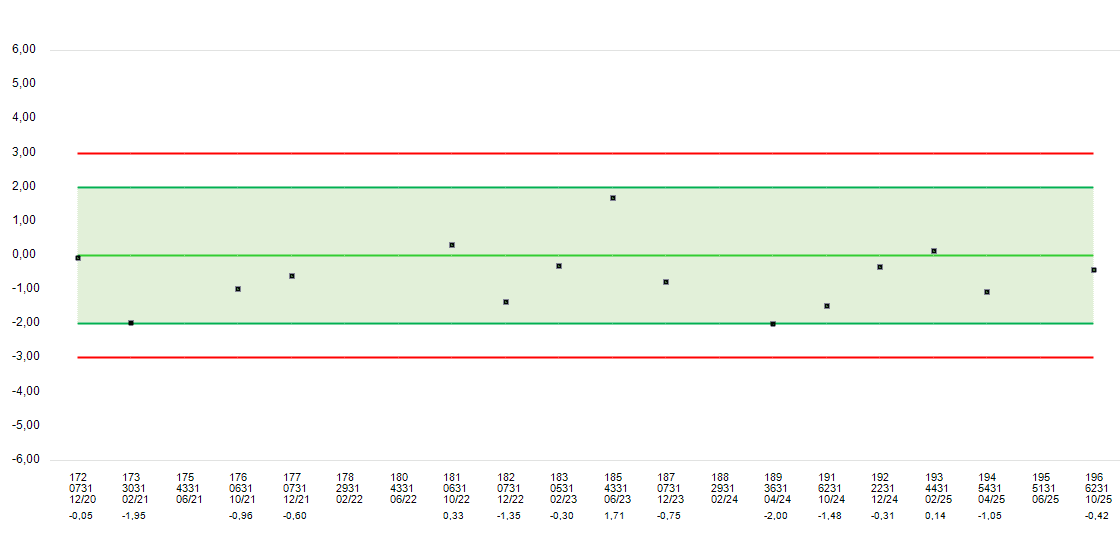
Figure 2. DON z-scores from December 2020 to October 2025
Proficiency Testing Benefits
One of the important benefits of proficiency test participation is benchmarking. The SAGL analysts are thoroughly trained, evaluated for competence and operate within a quality assurance system that continuously monitors accuracy. However, participation in Proficiency Testing presents the opportunity for continuous improvement, where benchmarking against peers can identify weaknesses in, e.g. equipment or the execution of testing methods. The necessary corrective actions, for example, preventative maintenance or regular training sessions, can be implemented to ensure ongoing competence development.

Alignment with ISO/IEC 17025 standards includes risk management, and Proficiency Testing participation provides the opportunity to continuously monitor and identify potential errors or biases early, reducing the risk of inaccurate reporting. To illustrate, in Figure 3, there are two points where the SAGL achieved z-scores higher than 2.00 and lower than -2.00, respectively, which would, according to our Quality system, alert an investigation. For this parameter, Alveograph P-value, the SAGL participates in not only the BIPEA proficiency scheme, but also the AACCI and the SAGL Wheat & Flour Proficiency Tests. The results from the other Proficiency Testing schemes were therefore included in the investigation.
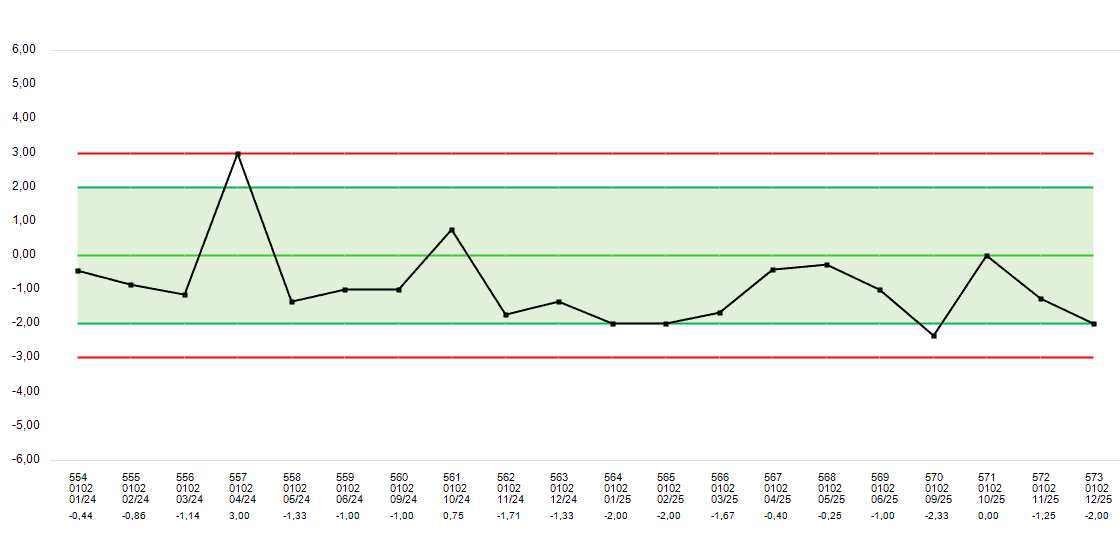
Figure 3. Alveograph P-value z-scores from January 2024 to December 2025
During the same time periods, April 2024 and September 2025, the results for the AACCI PT and SAGL PT can be seen as summarised in Figure 4. The z-scores are within the acceptable parameters of between 0.00 and 2.00, and it was concluded that the out-of-range results for the BIPEA PT posed a minimal risk that other results were affected.
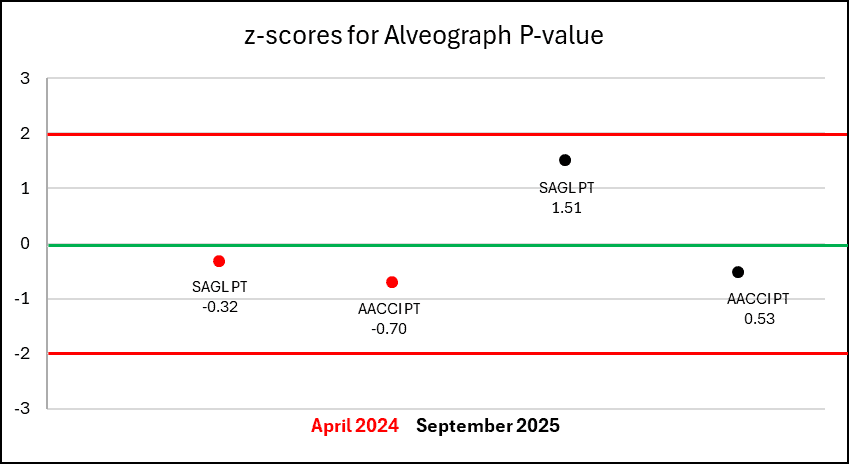
Figure 4. Alveograph P-value z-scores for April 2024 and September 2025
SAGL’s participation in external Proficiency Testing schemes enables the laboratory to arrange and manage its own proficiency tests for the local grains industry (which also includes some international participants) as well as the oilseeds industry. Proficiency Testing participation benefits the grain and oilseed value chain by verifying that laboratories are producing accurate results, which is critical for grain trading and compliance with regulations.
The SAGL currently offers 7 proficiency schemes across different commodities: wheat and wheat flour, maize and maize meal, sunflower seeds and sunflower oilcake, as well as soybeans and soybean oil cake.
SAGL’s participation in internationally recognised proficiency testing schemes demonstrates its commitment to accuracy, reliability, and continuous improvement. By aligning with ISO/IEC 17025 standards and benchmarking against global peers, the laboratory strengthens its credibility and reinforces its role as the reference laboratory of choice in the agricultural industry.